
Sleep
Nutritional support for sleep quality, sleep architecture, and circadian rhythm regulation.
What this formula supports
The Science Behind It
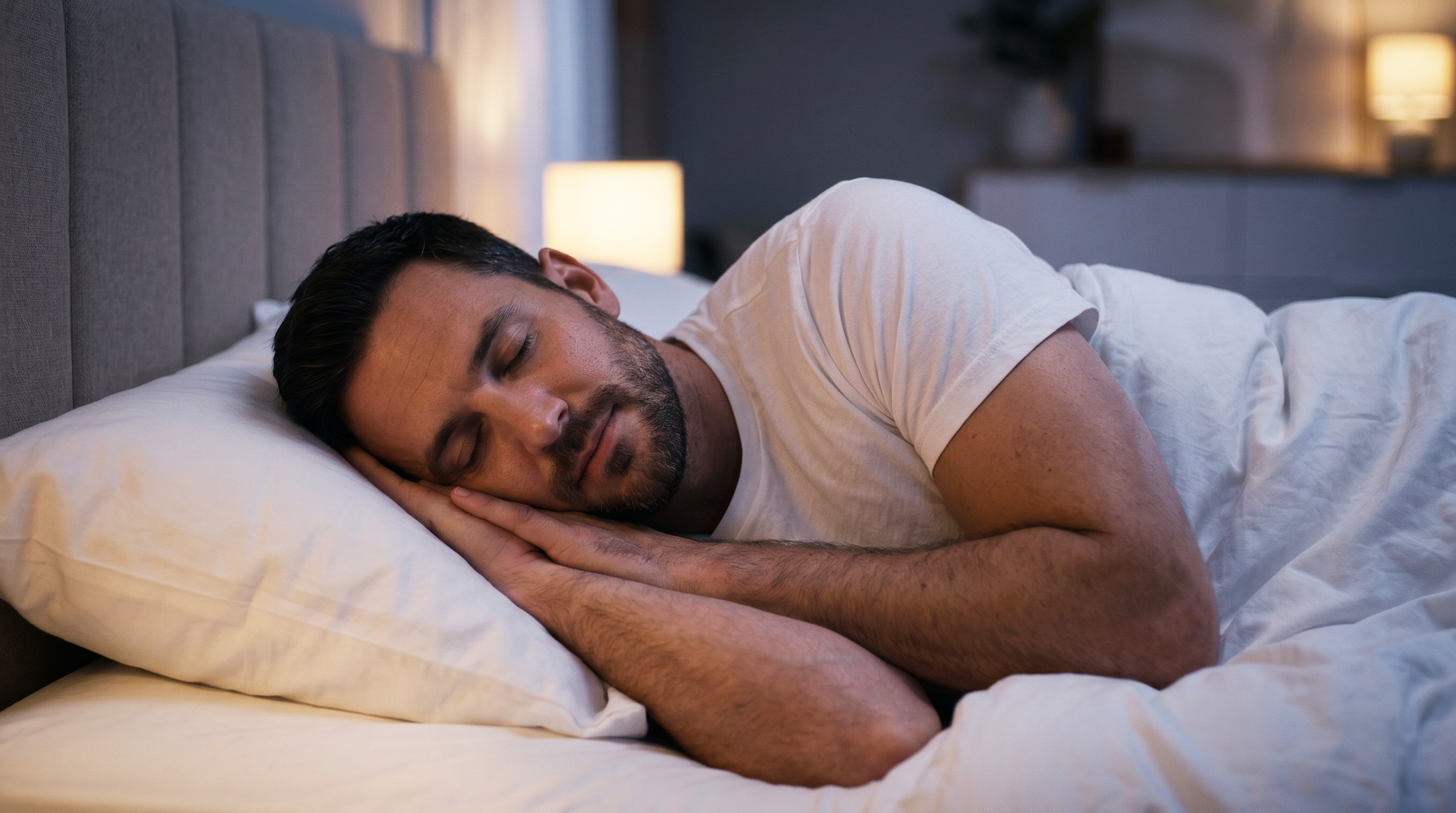
Sleep is not a passive state — it is the body's primary window for cellular repair, hormonal recalibration, immune consolidation, and memory encoding. Poor sleep architecture is associated with every major marker of accelerated biological aging.
Melatonin serves its physiological role as the circadian darkness signal — at a dose calibrated for rhythm regulation, not sedation.
Full ingredient profile
Ingredient Deep Dive
What it is. 5-HTP is the immediate biosynthetic precursor to serotonin, which is then converted to melatonin in the pineal gland. It is derived from the seeds of the African plant Griffonia simplicifolia.
What it does. 5-HTP crosses the blood-brain barrier and is converted directly into serotonin. In the context of sleep, serotonin serves as the precursor to melatonin — the hormone that regulates circadian rhythm and sleep onset.
Why we include it. 5-HTP supports the upstream pathway of melatonin production — ensuring adequate serotonin availability for conversion to melatonin as darkness falls.
What it is. GABA is the primary inhibitory neurotransmitter in the central nervous system. It is responsible for reducing neuronal excitability and promoting a state of calm throughout the nervous system.
What it does. GABA binds to GABA receptors in the brain, reducing neural activity and promoting relaxation. While oral GABA's ability to cross the blood-brain barrier is debated, research suggests it may act through the enteric nervous system and gut-brain axis.
Why we include it. GABA supports the transition from wakefulness to sleep by promoting systemic calm and reducing the neural overactivity that can interfere with sleep onset.
What it is. L-Theanine is an amino acid found almost exclusively in tea leaves. It promotes relaxation without sedation — a unique profile that makes it well-suited for sleep preparation.
What it does. L-Theanine promotes alpha brain wave activity — the neural pattern associated with relaxed wakefulness — and modulates GABA, serotonin, and dopamine activity. It helps quiet the mind without causing grogginess.
Why we include it. L-Theanine supports the mental calm necessary for sleep onset — reducing racing thoughts and promoting the relaxed state that precedes healthy sleep.
What it is. Lemon balm is a member of the mint family traditionally used for calming and sleep support. Its active compounds include rosmarinic acid and flavonoids that interact with GABA receptors.
What it does. Lemon balm inhibits GABA transaminase — the enzyme that breaks down GABA — increasing GABA availability in the brain. Clinical trials have shown improvements in sleep quality and reduced nighttime waking.
Why we include it. Lemon balm extends GABA activity through enzyme inhibition — a complementary mechanism to direct GABA supplementation that supports sustained calm throughout the night.
What it is. Melatonin is a hormone naturally produced by the pineal gland in response to darkness. It is not a sedative — it is the body's primary signal for communicating what time of day it is to the circadian clock.
What it does. Melatonin binds to MT1 and MT2 receptors in the hypothalamus — the brain's master circadian clock — signaling the onset of the biological night. This circadian phase-setting function supports sleep onset and sleep architecture.
Why we include it. Melatonin is included at 1 mg — a deliberately low, physiologically calibrated dose. Research shows that lower doses (0.5–1 mg) are more effective for circadian phase-shifting than higher doses, which can cause morning grogginess.
What it is. DHA is the dominant omega-3 fatty acid in brain tissue. Emerging research links DHA status to sleep quality and duration.
What it does. DHA supports neuronal membrane fluidity and melatonin secretion. Studies have found associations between higher DHA levels and improved sleep efficiency, longer sleep duration, and fewer sleep disturbances.
Why we include it. DHA provides foundational support for the brain structures and hormonal systems that regulate sleep — addressing sleep quality at the cellular level.
What it is. EPA is an omega-3 fatty acid with potent anti-inflammatory properties. It works synergistically with DHA to support brain health and systemic inflammation balance.
What it does. EPA reduces neuroinflammation and supports the resolution of inflammatory processes that can interfere with sleep quality. It also supports healthy cortisol regulation.
Why we include it. EPA complements DHA by addressing the inflammatory and stress-related factors that can disrupt sleep architecture and reduce sleep quality.
Formulator Note
Cautions
- Caution: Do not use with antidepressants or other serotonergic drugs. Consult a healthcare professional before use.
- Caution: May cause drowsiness. Do not drive or operate machinery until you know how it affects you.
- Caution: May cause relaxation or drowsiness.
- Caution: May cause drowsiness. Consult a healthcare professional if taking sedatives or thyroid medications.
- Caution: May cause drowsiness. Do not drive or operate machinery. Consult a healthcare professional if taking sedatives or antidepressants. Not recommended during pregnancy or breastfeeding.
- Caution: Consult a healthcare professional if taking blood thinners.
Start your 28-day cycle
One personalized pod per day. Adjust or cancel anytime.
Contains Dairy, Soy, and Sulphites.
*These statements have not been evaluated by the Food and Drug Administration. This product is not intended to diagnose, treat, cure, or prevent any disease.